

Dermaplaning Gallery
$$MultiPurposeText$$
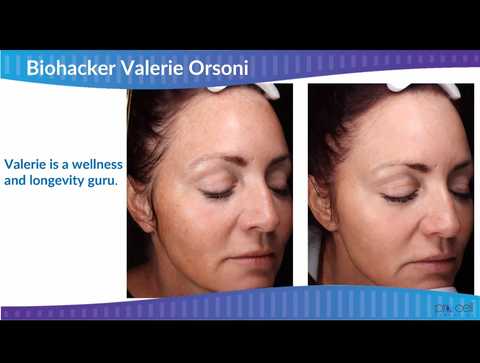
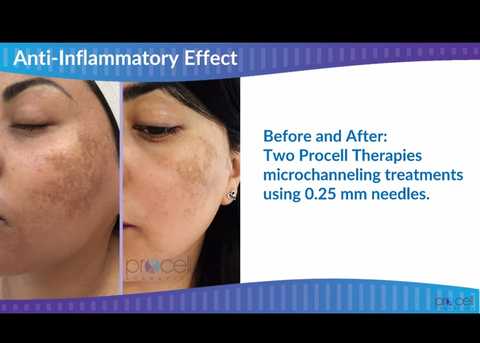
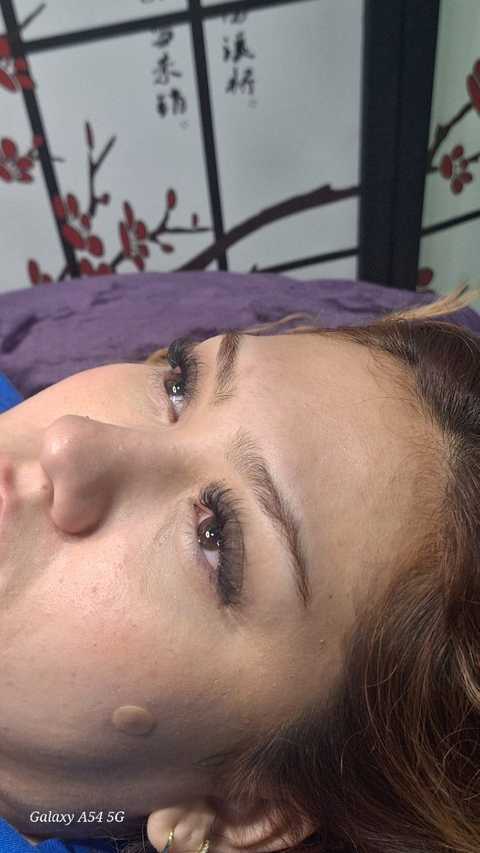
See examples of our Dermaplaning work and results.







What Our Clients Say
$$MultiPurposeText$$
Read testimonials from our satisfied customers

I Always contact Geet to set an appointment for eyebrow threading and braizilian wax. Staf...more

Clean shop, skilled barbers, and excellent service. Highly recommend!

I had my eyebrows threaded and eyelash extensions done at Pro Organic Salon. I was extreme...more

I absolutely LOVE this salon. I’ve gotten eyelashes, threading, and wax. I’ve been away fo...more

Ladies are so sweeet and gentle. Clean place and my brows look great!

Absolutely beautiful salon and excellent sevice! First time dropping by and so excited to ...more

Frequently Asked Questions
Get answers to common questions about Dermaplaning.
Yes. Dermaplaning is generally safe for most skin types, including sensitive skin when performed by a trained professional. Avoid if you have active acne, open wounds, or certain skin conditions. A consultation ensures it's appropriate and tailored to your needs.
Most dermaplaning treatments take about 30 to 45 minutes, including consultation and skin prep. Time varies by add-ons like custom masks or serums. You'll leave with instantly smoother, radiant skin and post-care guidance for optimal results.
No. Dermaplaning does not alter hair thickness or texture; it simply removes the fine vellus hair and dead skin. Regrowth returns to its natural state over several weeks. Regular treatments maintain smoothness without affecting hair structure.
Dermaplaning brightens skin by removing surface buildup but is not a standalone fix for deep hyperpigmentation or scars. Combined with chemical peels, serums, or professional treatments, it enhances results and product penetration for more effective overall improvement.
There is minimal downtime. Most clients experience slight redness for a few hours, but can usually apply mineral makeup the same day. Avoid strong exfoliants and direct sun for 48–72 hours; use SPF and gentle skincare during healing.
People with active cystic acne, open lesions, severe rosacea, sunburn, or recent chemical peels should avoid dermaplaning. Pregnant clients can still receive treatment, but a consultation is essential to rule out contraindications and choose safer, tailored alternatives when needed.
Read more about Dermaplaning
$$MultiPurposeText$$
Explore our latest insights and guides on Dermaplaning.
